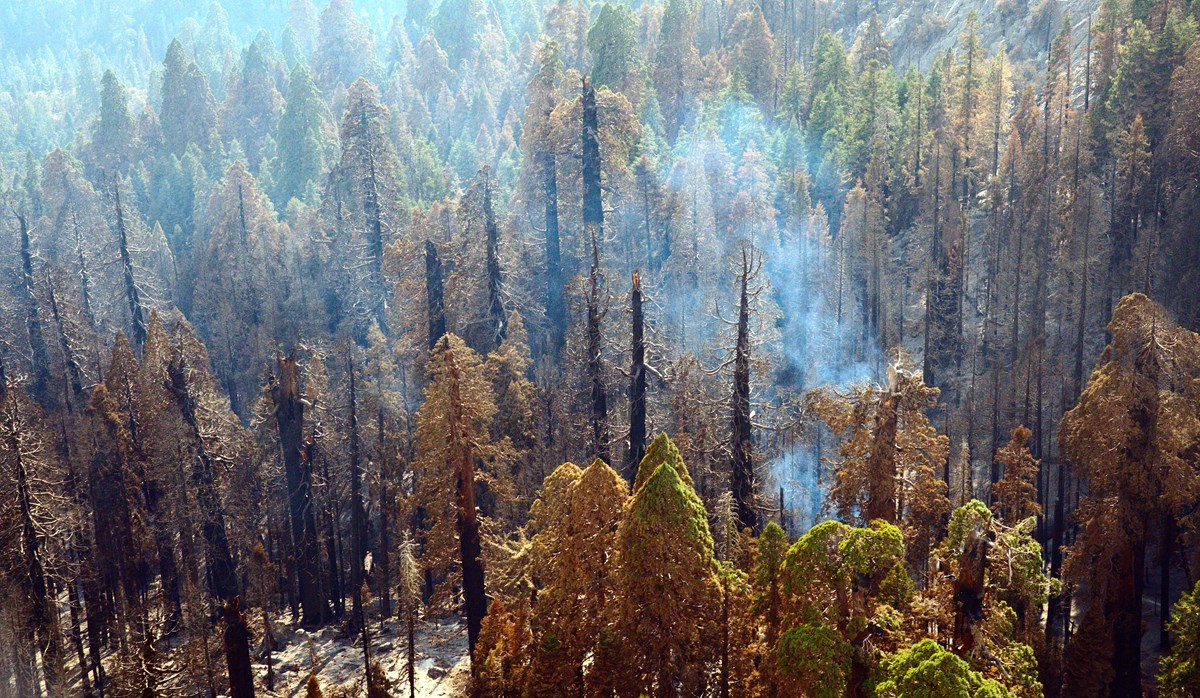

Los Alerces National Park in Argentina’s Patagonia now looks like a battlefield. Thick smoke rises in towering clouds. Flames light up the night sky. Even the moon glows orange through the haze. The views that once defined Patagonia now feel haunted.
Wildfires have torn through vast areas of this UNESCO World Heritage site. The park protects ancient forests, including trees more than 2,600 years old. Today, large sections of that land are burning.
The Scale of the Damage
Over the last month and a half, fires have destroyed more than 45,000 hectares of forest. That equals about 174 square miles. Thousands of residents and tourists have evacuated. Fire crews still struggle to contain the flames, and officials say the fires continued spreading as of Monday.
This crisis now ranks among the worst to hit drought-stricken Patagonia in decades. Many communities feel helpless as smoke and flames move closer.
Anger Builds Over Government Cuts
The disaster has also triggered public anger. Many Argentines blame President Javier Milei’s government for weakening fire response. Milei has pushed aggressive spending cuts over the last two years. Those cuts hit agencies that prevent wildfires, protect national parks, and respond when fires break out.
Luis Schinelli, a park ranger in Los Alerces, says staffing levels have collapsed. Only 16 park rangers cover the park’s massive 259,000 hectares. “Teams are stretched beyond their limits,” he said.
Milei cut the budget of Argentina’s National Fire Management Service by 80% in 2024, compared to the year before. The service deploys fire brigades, maintains air tankers, buys equipment, and tracks fire hazards. Environmental group FARN says the 2026 budget could slash funding again by 71%.
Firefighters Struggle to Keep Up
Firefighters say they feel the impact every day. Hernán Mondino, a firefighter in the park, described the job as exhausting and dangerous. He said climate change makes the situation worse. Hotter temperatures, stronger winds, and drier conditions allow fires to spread faster. “This is us living it,” he said.
Many firefighters also face low pay. Some earn under $600 a month, and others earn less than $450 in provinces with lower living costs. Many take second jobs as gardeners or farmhands to survive.
Prevention Fell Behind Long Before the Fire
The fires began in early December. Lightning sparked a small blaze near a lake in the northern part of the park. Fire crews struggled to reach it because of remote terrain. They also lacked enough aircraft to move crews and drop water. The delay allowed the fire to grow. When winds increased, flames exploded through native forest.
Experts argue that the biggest problem started long before the first spark. Andrés Nápoli, a director at FARN, says prevention matters as much as response. He says Argentina needs year-round planning, forecasting, and infrastructure. He believes the government has abandoned much of that work.
A Late Emergency Declaration
For weeks, Milei said little about the fires. Critics grew furious when he appeared dancing on stage while governors requested emergency support. Eventually, he declared a state of emergency. The move released about $70,000 for volunteer firefighters.
At base camps, medics treat exhausted crews for sore legs, scratchy throats, and irritated sinuses. Some firefighters hope more help will arrive soon. Others say the emergency support came too late.
Volunteer Mariana Rivas summed up the mood: grief, frustration, and fear for what comes next. “It hurts because it’s not just a beautiful landscape,” she said. “It’s where we live.”