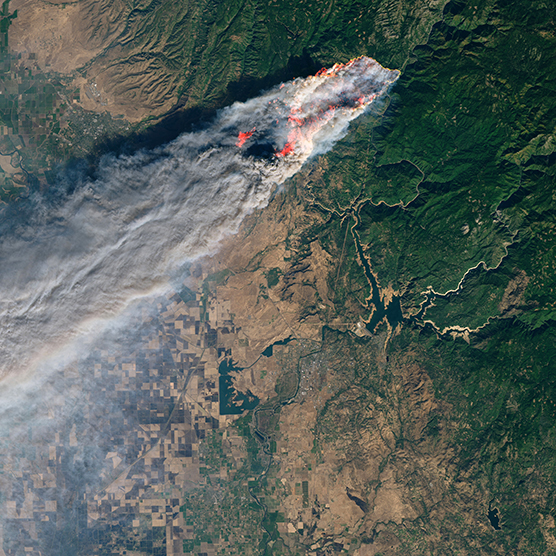


Snow levels across the western United States have dropped to one of their lowest points in 40 years. Scientists warn that this snow drought could set the stage for an early and dangerous wildfire season.
Normally, mountain snowpack acts as a natural water reservoir. It melts slowly through spring and summer, keeping soil moist and vegetation healthy. This year, much of the West entered late winter with far less snow than usual.
The result could be drier forests, stressed vegetation, and higher wildfire risk as temperatures climb.
A Snow Drought Across the Western Mountains
The U.S. Department of Agriculture’s National Water and Climate Center reports that much of the mountainous West experienced warmer and drier winter weather. That pattern reduced snow accumulation across several key regions.Some recent storms brought heavy precipitation to parts of the West.
However, those storms failed to close the snow deficit in the areas that needed it most.Even in regions without official drought status, snow levels remain below normal. For example, the Sierra Nevada snowpack holds about 16 inches of snow-water equivalent, according to the California Department of Water Resources.
That amount increased slightly during February but still sits at less than 75% of the seasonal average.Conditions look even worse in other areas. Snow-water levels across Arizona, New Mexico, and Oregon measure below 50% of normal in many locations.
Why Snowpack Matters for Wildfire Risk
Low snowpack affects wildfire risk in several ways. Snowmelt usually provides moisture that helps plants survive through the warmer months. When snowpack remains low, soil dries faster and vegetation becomes stressed.That dryness turns grasses, shrubs, and trees into potential fuel.
Tim Brown, director of the Desert Research Institute, says this process can create a dangerous cycle. Reduced soil moisture weakens plants and increases atmospheric drying. As the air becomes drier, wildfire conditions worsen.Experts now expect above-normal wildfire potential across much of the West as summer approaches.
Prescribed Burning May Become Harder
Low snowpack also affects wildfire prevention efforts. Fire managers often rely on prescribed burns in spring to remove excess vegetation and reduce wildfire fuel.
But those operations require specific weather conditions.If the landscape remains too dry and temperatures climb early, officials may have fewer safe opportunities to conduct controlled burns. Fewer prescribed fires could leave more vegetation in place, which increases wildfire potential later in the season.
Research Shows Snow Loss Can Intensify Wildfires
Recent research supports the link between snowpack and wildfire severity.A study from the University of Toronto found that longer snow-free periods often lead to more severe wildfires. Earlier snowmelt can lengthen the fire season and increase the number of wildfire ignitions.
Researchers say future wildfire models should pay closer attention to snow dynamics.Understanding how snowpack influences wildfire behavior could help governments improve fire management strategies, funding decisions, and fuel-reduction programs.
A Season to Watch
The western United States still has several months before peak fire season. However, current conditions already worry fire scientists and land managers.
Without a major shift toward cooler and wetter weather, forests across the region may enter summer drier than usual. And when landscapes start the season dry, wildfire risk often rises quickly.